
 My Octopus Teacher2020 · 85 min · ★ 7.9directed by Pippa Ehrlich
DocsPedia: the encyclopedia of documentary films, from Free Solo, My Octopus Teacher and Apollo 11 to Senna, Jiro Dreams of Sushi and The Pixar Story, and where to watch them
190 documentary films in seven volumes, each entry with its director, its running time and a Watch now button.
Featured entry

Free Solo
Follow Alex Honnold as he attempts to become the first person to ever free solo climb Yosemite's 3,000 foot high El Capitan wall. With no ropes or safety gear, this would arguably be the greatest feat in rock climbing history.
2018 · 100 min · ★ 7.9Volume I · Nature
All entries in this volume (61)My Octopus Teacher2020 · 85 min · ★ 7.9directed by Pippa Ehrlich Before the Flood2016 · 93 min · ★ 7.7directed by Fisher Stevens
 Baraka1992 · 97 min · ★ 8.2directed by Ron Fricke
 Samsara2011 · 102 min · ★ 8.1directed by Ron Fricke
 David Attenborough: A Life on Our Planet2020 · 83 min · ★ 8.4directed by Alastair Fothergill
 Earth2007 · 90 min · ★ 7.7directed by Alastair Fothergill
Volume II · Exploration
All entries in this volume (23)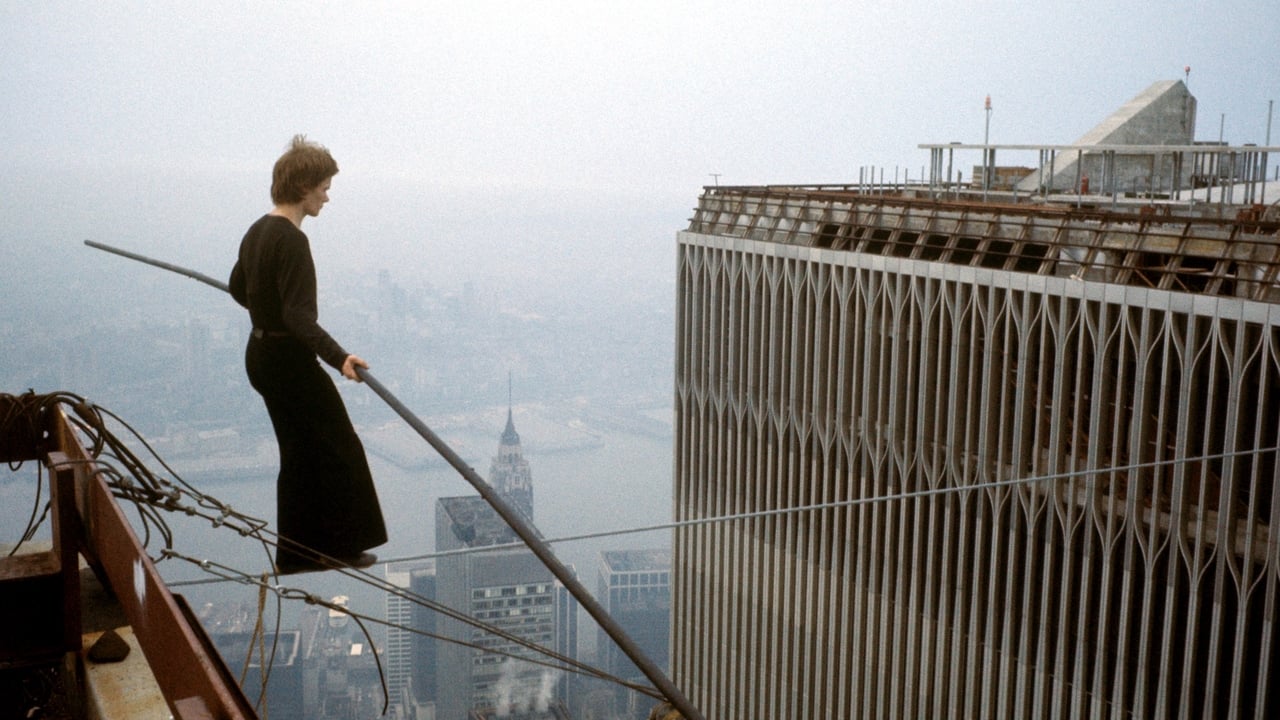 Man on Wire2008 · 94 min · ★ 7.4directed by James Marsh
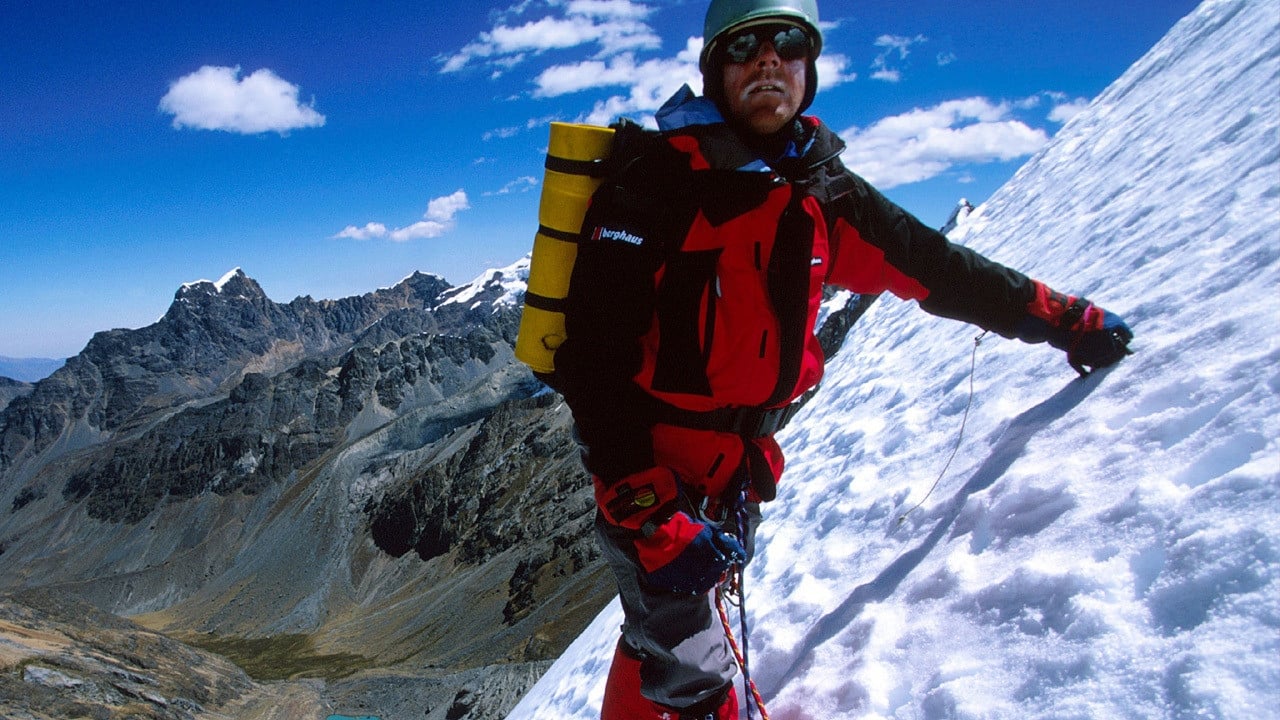 Touching the Void2003 · 106 min · ★ 7.6directed by Kevin Macdonald
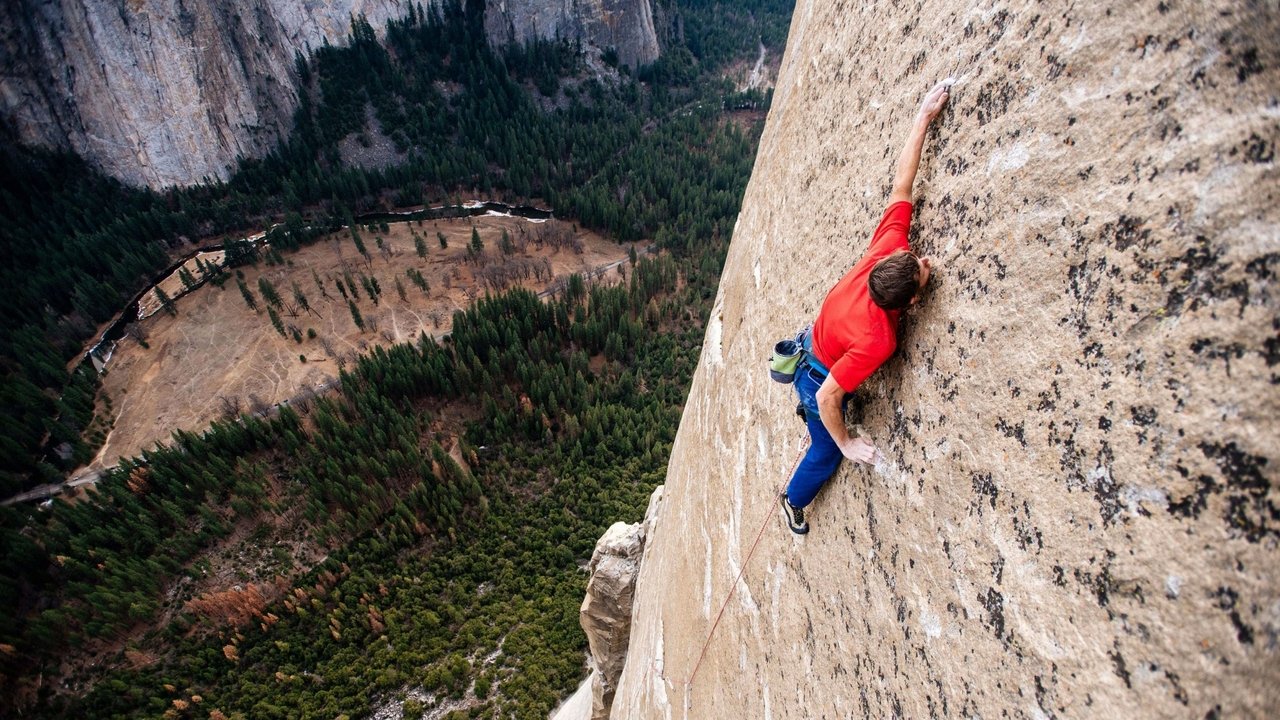 The Dawn Wall2017 · 101 min · ★ 8.0directed by Josh Lowell
 The Rescue2021 · 107 min · ★ 8.0directed by Jimmy Chin
 Meru2015 · 89 min · ★ 7.4directed by Jimmy Chin
 Dogtown and Z-Boys2002 · 90 min · ★ 7.0directed by Stacy Peralta
Volume III · Space
All entries in this volume (15) Apollo 112019 · 93 min · ★ 7.9directed by Todd Douglas Miller
 For All Mankind1989 · 80 min · ★ 7.8directed by Al Reinert
 A Trip to Infinity2022 · 79 min · ★ 7.1directed by Jonathan Halperin
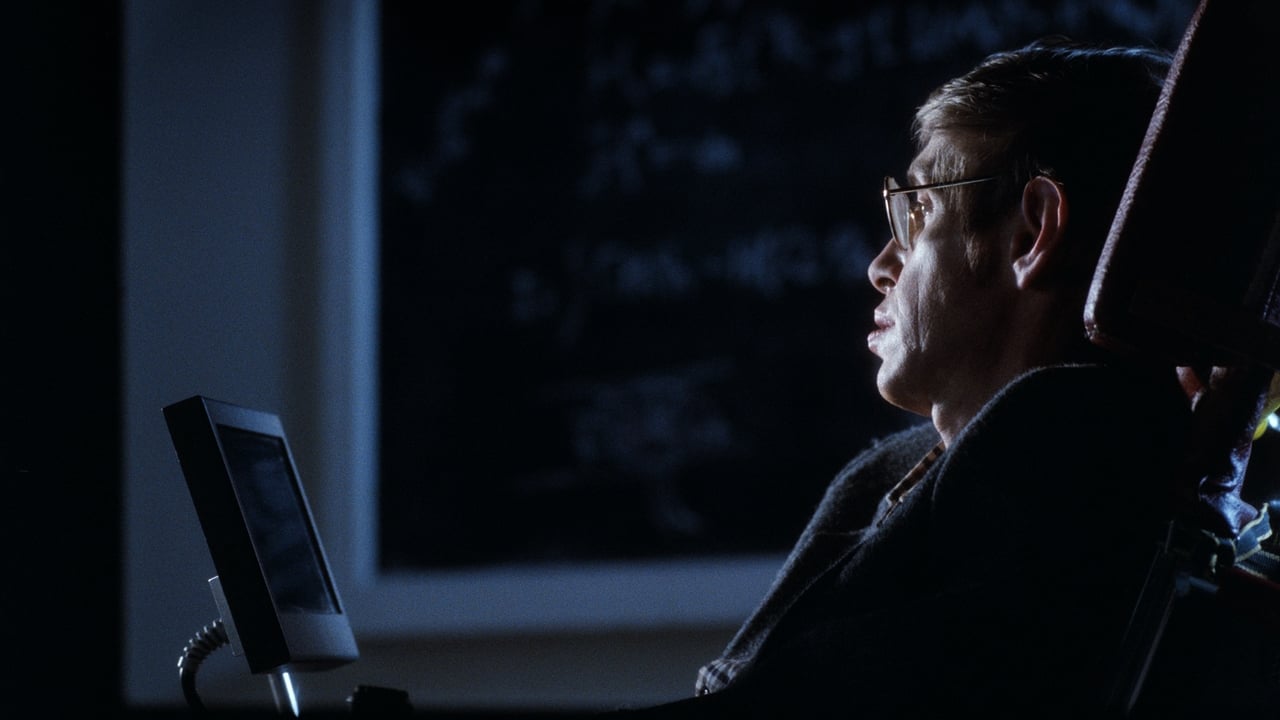 A Brief History of Time1991 · 80 min · ★ 7.2directed by Errol Morris
 IMAX Hubble2010 · 44 min · ★ 7.1directed by Toni Myers
 In the Shadow of the Moon2007 · 109 min · ★ 7.6directed by David Sington
Volume IV · Science and discovery
All entries in this volume (26) The King of Kong: A Fistful of Quarters2007 · 83 min · ★ 7.7directed by Seth Gordon
 Indie Game: The Movie2012 · 103 min · ★ 7.5directed by James Swirsky
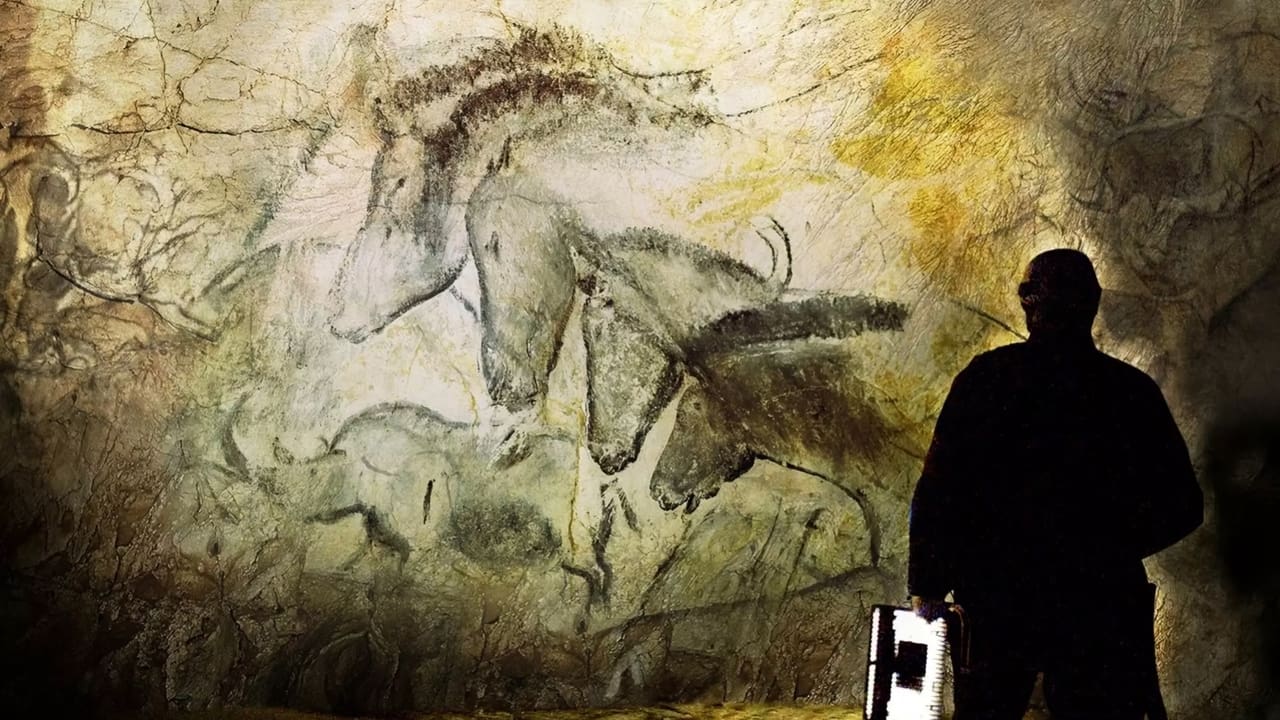 Cave of Forgotten Dreams2010 · 90 min · ★ 7.1directed by Werner Herzog
 Atari: Game Over2014 · 66 min · ★ 6.6directed by Zak Penn
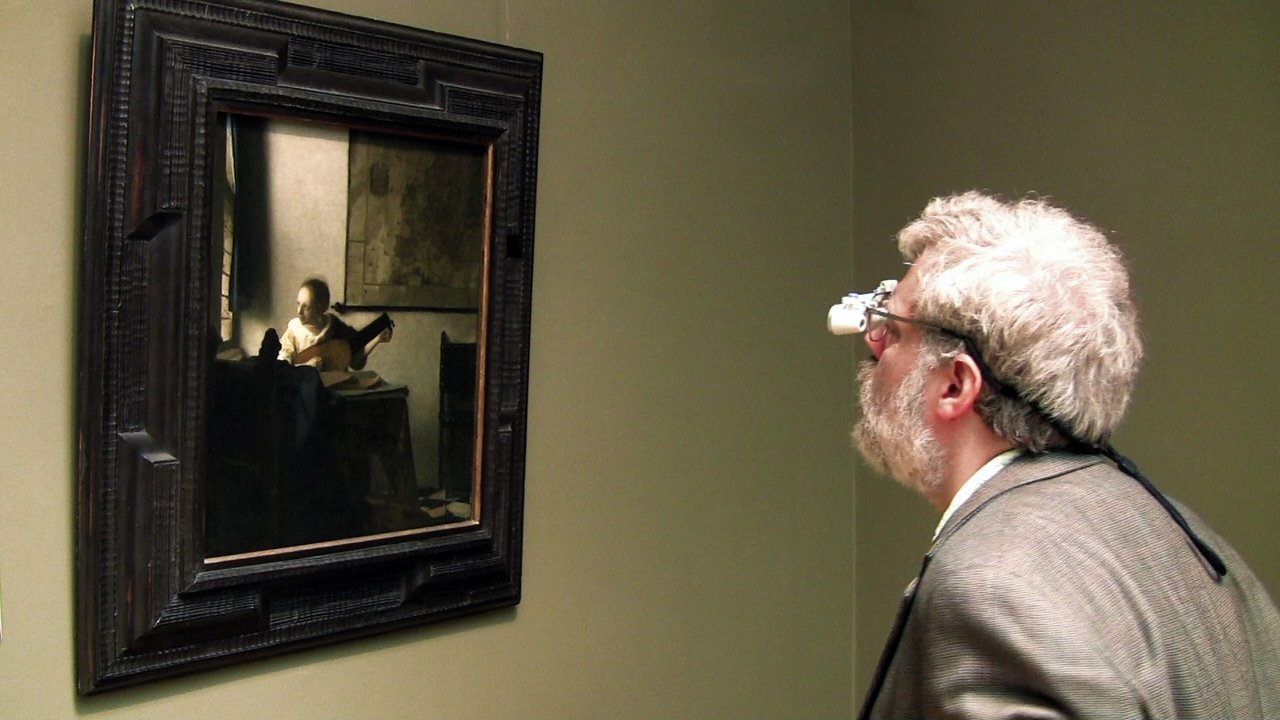 Tim's Vermeer2013 · 80 min · ★ 7.3directed by Teller
 AlphaGo2017 · 90 min · ★ 7.7directed by Greg Kohs
Volume V · Art and craft
All entries in this volume (13) Exit Through the Gift Shop2010 · 86 min · ★ 7.5directed by Banksy
 Jiro Dreams of Sushi2011 · 82 min · ★ 7.7directed by David Gelb
 Finding Vivian Maier2014 · 83 min · ★ 7.6directed by Charlie Siskel
 Waste Land2010 · 90 min · ★ 7.6directed by Lucy Walker
 Bill Cunningham New York2011 · 85 min · ★ 7.6directed by Richard Press
 Ashes and Snow2005 · 62 min · ★ 7.3directed by Gregory Colbert
Volume VI · Cinema and animation
All entries in this volume (31) Jodorowsky's Dune2013 · 87 min · ★ 7.8directed by Frank Pavich
 Back in Time2015 · 95 min · ★ 6.5directed by Jason Aron
 Side by Side2012 · 99 min · ★ 7.2directed by Christopher Kenneally
 Spielberg2017 · 147 min · ★ 7.5directed by Susan Lacy
 STILL: A Michael J. Fox Movie2023 · 95 min · ★ 7.8directed by Davis Guggenheim
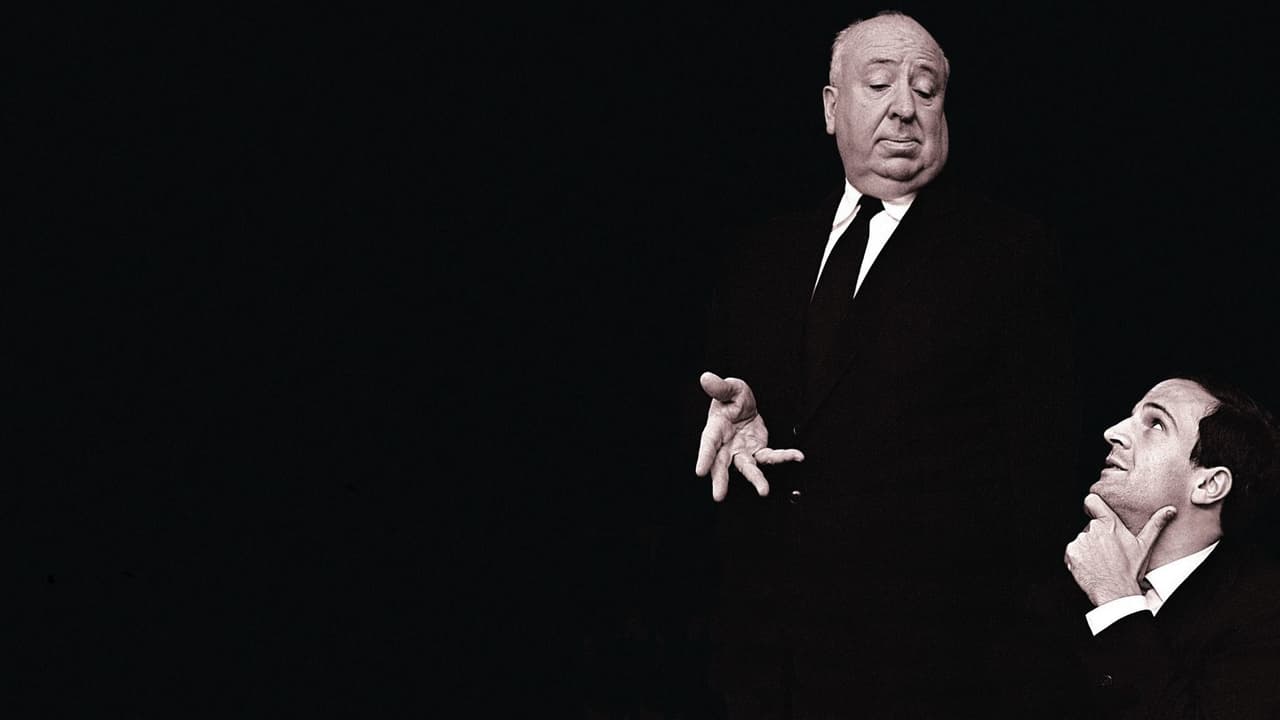 Hitchcock/Truffaut2015 · 81 min · ★ 7.2directed by Kent Jones
Volume VII · Sport
All entries in this volume (21) Senna2010 · 106 min · ★ 8.1directed by Asif Kapadia
 Hoop Dreams1994 · 174 min · ★ 7.6directed by Steve James
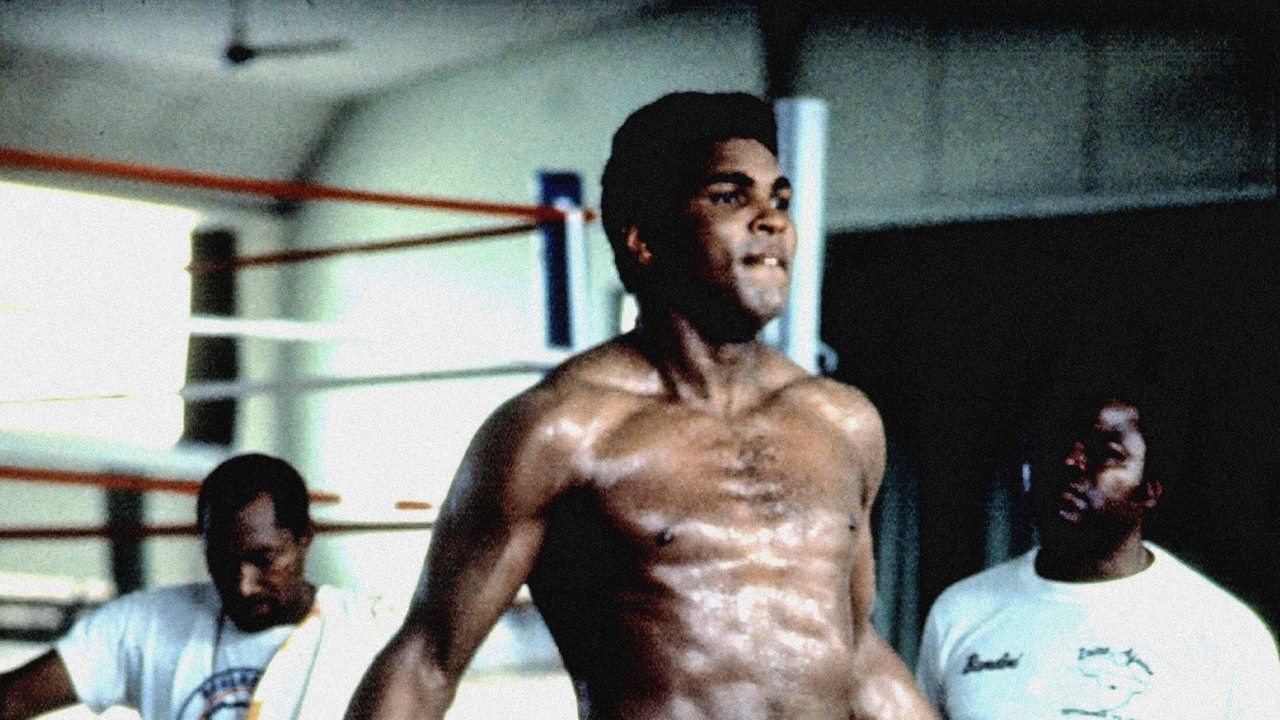 When We Were Kings1996 · 89 min · ★ 7.6directed by Leon Gast
 The Redeem Team2022 · 98 min · ★ 7.4directed by Jon Weinbach
 Red Army2015 · 85 min · ★ 7.3directed by Gabe Polsky
 Hitting the Apex2015 · 138 min · ★ 7.7directed by Mark Neale
Appendix · Top rated
All entries in this volume (19) The Art of Flight2011 · 80 min · ★ 7.8directed by Curt Morgan
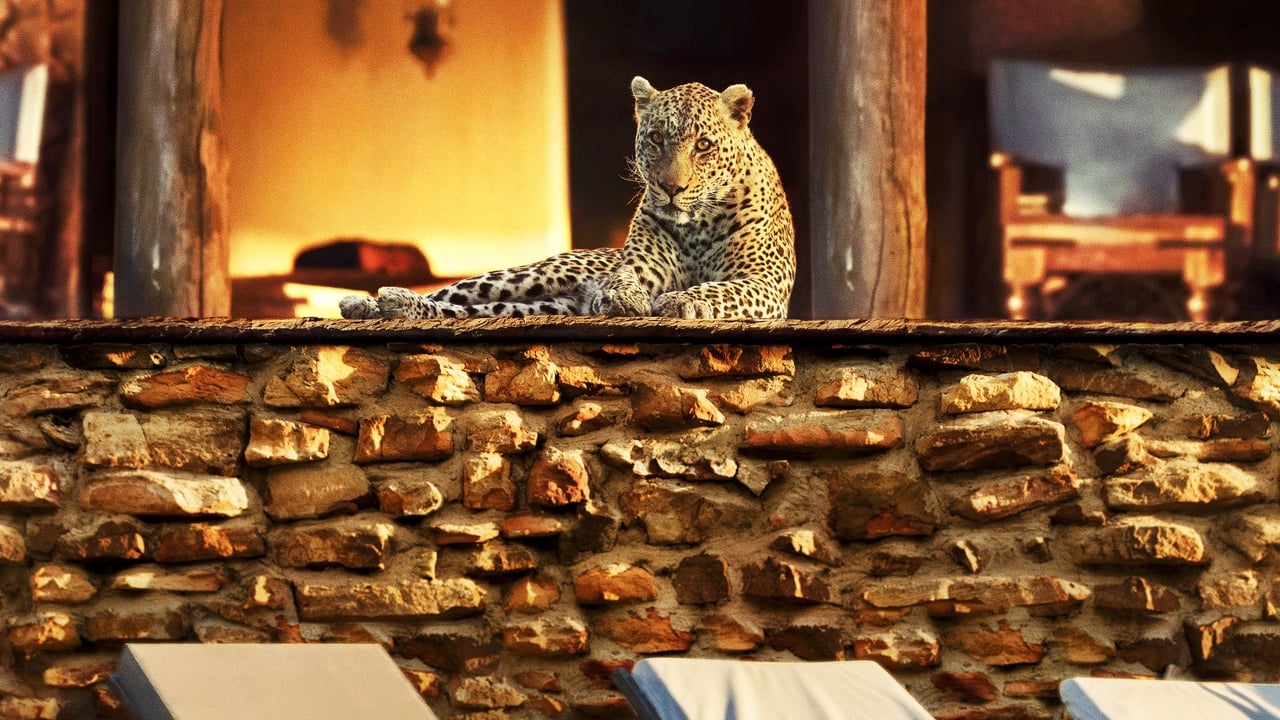 The Year Earth Changed2021 · 48 min · ★ 7.9directed by Tom Beard
 Alone in the Wilderness2004 · 57 min · ★ 7.9directed by Dick Proenneke
 Ocean with David Attenborough2025 · 85 min · ★ 8.1directed by Colin Butfield
 Pandas2018 · 40 min · ★ 7.9directed by Drew Fellman
 Lionel Messi: Destiny2023 · 59 min · ★ 7.8directed by Alexander Hill
The DocsPedia guide to documentary film
DocsPedia: the encyclopedia of documentary films, from Free Solo, My Octopus Teacher and Apollo 11 to Senna, Jiro Dreams of Sushi and The Pixar Story
An encyclopedia is a promise that the world can be put in order: a volume for the oceans, a volume for the stars, an entry for every subject worth knowing. DocsPedia makes the same promise for documentary film. It gathers 190 feature documentaries and short films made between 1953 and 2026, the work of 201 directors and 269 hours of viewing, and files them in seven volumes: Nature, Exploration, Space, Science and discovery, Art and craft, Cinema and animation, and Sport. Every film has an entry with its director, its running time, its rating, a summary, and a button that leads to the official services where it can be watched.
The entries were chosen by hand for a household audience. Nature is the largest volume with sixty-one films, followed by Cinema and animation with thirty-one, Science and discovery with twenty-six, Exploration with twenty-three, Sport with twenty-one, Space with fifteen and Art and craft with thirteen. Four smaller shelves cut across the volumes: twenty-six films with a single animal at the centre, eight with David Attenborough, eighteen short films of fifty minutes or less, and the nineteen highest rated.
These are films, each complete in one sitting, and that is their charm. The average entry runs for eighty-five minutes. In that time a good documentary can take you up a mountain, into a kelp forest or behind the scenes of an animation studio and bring you home changed. This guide walks through the volumes in order, with a note on the directors who appear most often, and closes with questions and answers. The short page on how to watch with DocsPedia covers the essentials.
How DocsPedia works
The page is set like a book. The paper is cream, the type is a book serif, and the rules between sections are the fine double lines of a title page. At the top stands the masthead, an oxblood volume beside the name, with a search field on the right. Beneath it a row of small capitals lists the volumes, and the current one is underlined.
The home page opens with a table of contents. Each line names a volume, leads the eye across a row of dots and ends with the number of entries, exactly as a printed contents page would give a page number; a click jumps to that volume lower down. Beside the contents is the featured entry, the most watched film in the catalogue, with a wide still and its summary. The seven volumes follow, each showing six entries in two columns. An entry is a single line of reference: a small still, the title in bold, then the year, the running time, the rating and the director. The link at the right of each volume heading opens the complete list.
Open an entry and the film has a page to itself. You will find the title, the year, the running time, the rating out of ten, a summary of what the film shows, the director and the people who appear in it or narrate it. Each name is a cross-reference to that person's other entries. The Watch now button stands beside a menu of fifteen countries: choose yours, press, and JustWatch opens with the subscription, rental, purchase and free services that carry the film there. DocsPedia is the reference work; the services are the cinema.
The search field accepts titles, people, years and subjects. Type Herzog and three entries appear. Type octopus, penguin or Everest and the catalogue answers as an index would. The A-Z page is a true alphabetical index of all 190 entries, and the page on finding an entry describes every route. My List is your personal reading list, kept in your own browser on your own device; the My List page explains how to add, remove and save it.
Volume I: Nature
The first volume is the thickest. Its sixty-one films range from giant-screen spectacles to quiet personal diaries, and the best place to begin is with the film that surprised everyone. My Octopus Teacher follows the film-maker Craig Foster, who began diving every day in a cold kelp forest near Cape Town and met a common octopus living in a den among the rocks. He returned daily for most of a year. The animal learned to trust him, and he learned how she hunted, hid, played and healed. The film won the Academy Award for documentary feature and is one of the three most watched entries in DocsPedia.
The grand surveys come next. Earth, drawn from the same years of filming as a famous television series, follows a polar bear, an elephant and a humpback whale and their young through one year on the planet. Oceans, by the French film-maker Jacques Perrin, spent four years at sea and swims alongside its subjects with startling closeness. Earth: One Amazing Day, narrated by Robert Redford, tracks the sun from dawn to dusk across every kind of habitat. One Life, narrated by Daniel Craig, gathers the most ingenious survival strategies in the animal kingdom.
A group of family films tell the story of a single animal household across a season, with a well-known actor as narrator. Bears follows a mother and two cubs along the Alaskan coast in their first year. Monkey Kingdom is set among macaques living in ancient ruins in Sri Lanka. Chimpanzee tells the remarkable true story of an orphaned youngster adopted by the leader of his group. African Cats, Elephant, Dolphin Reef, Polar Bear and Penguins, whose hero is a hapless Adélie named Steve, complete the set, and Growing Up Wild introduces five baby animals for the youngest viewers.
Three films by the cinematographer Ron Fricke belong in a category of their own. Chronos, Baraka and Samsara leave narration and interviews aside and offer only images, filmed on large-format stock in dozens of countries, and music. Temples, cities, factories, deserts and faces pass in slow procession, and the viewer is left to make the connections. Baraka holds a rating of 8.2 and Samsara 8.1. Powaqqatsi, directed by Godfrey Reggio to a score by Philip Glass, works in the same wordless tradition, and Life in a Day assembles a portrait of the planet from thousands of home videos all shot on the same date in 2010.
Many of the most affecting entries are about people who give their lives to the natural world. Jane draws on more than a hundred hours of colour film, long thought lost, of the young Jane Goodall among the chimpanzees of Gombe in the 1960s. The Biggest Little Farm follows a couple who leave Los Angeles to turn two hundred acres of exhausted soil into a thriving mixed farm, over eight years of setbacks and small victories. The Eagle Huntress is the story of Aisholpan, a thirteen-year-old in the mountains of Mongolia who trains a golden eagle and enters a competition that only men had entered before her. Fire of Love tells of Katia and Maurice Krafft, two French scientists who spent their marriage filming volcanoes at very close range, and Chasing Ice of a photographer who planted time-lapse cameras beside glaciers across the Arctic.
The volume also looks to the future of the planet. David Attenborough: A Life on Our Planet is the highest rated entry in DocsPedia at 8.4; the broadcaster, then in his nineties, calls it his witness statement and sets out both what he has seen change and what could be restored. Chasing Coral, Before the Flood, Kiss the Ground, 2040 and Breaking Boundaries: The Science of Our Planet each take one part of the question, from reefs to soil. The guide to Volume I sorts the films by kind.
Animals: twenty-six films
A shelf inside the first volume gathers the twenty-six films built around one kind of creature. Cats lead the way. Kedi wanders the streets of Istanbul with seven of the city's free-living cats and the shopkeepers, fishermen and artists who look after them; it is as much a portrait of a city's kindness as of its animals. Inside the Mind of a Cat and Inside the Mind of a Dog explain what researchers have learned about the pets on our sofas, and Pick of the Litter follows five Labrador puppies from birth through the two years of training that decide which of them will become guide dogs.
The wild entries are just as varied. The Elephant Queen travels with a matriarch named Athena as she leads her family across the Kenyan savannah in search of water. Pandas visits the breeding centre in Chengdu where cubs are prepared for life in the mountains. The Crimson Wing: Mystery of the Flamingos films the vast gathering of flamingos on a remote lake in Tanzania. Dancing with the Birds collects the most elaborate courtship displays in the forests of New Guinea, and Tiny Giants 3D spends a day with a chipmunk and a grasshopper mouse, filmed as though they were action heroes.
The newest entries include Living with Leopards, Pangolin: Kulu's Journey, by one of the makers of the octopus film, and A Gorilla Story: Told by David Attenborough. The oldest entry in the whole encyclopedia is here too: The Living Desert of 1953, the first feature-length nature film from the Disney studio and an Academy Award winner in its day. The animals guide lists the shelf by species.
Volume II: Exploration
The second volume belongs to people who go where few others have been, and to the film-makers hardy enough to follow them. Its best-known entry is the most watched film in DocsPedia. Free Solo accompanies the climber Alex Honnold as he prepares to climb the 900-metre face of El Capitan in Yosemite alone, relying only on his hands, his shoes and a bag of chalk. The directors, Elizabeth Chai Vasarhelyi and Jimmy Chin, are climbers themselves, and the film is as much about the people who care for Honnold as about the wall. It won the Academy Award for documentary feature.
The same valley supplies two more entries. The Dawn Wall follows Tommy Caldwell and Kevin Jorgeson through nineteen days on the smoothest section of the same cliff, a climb that many thought impossible, and holds a rating of 8.0. Valley Uprising tells the lively history of Yosemite climbing since the 1950s. Chin and Vasarhelyi return with Meru, about three friends and a fin of granite in the Indian Himalaya, and with The Rescue, a gripping account of how volunteer cave divers from around the world brought twelve boys and their football coach out of a flooded cave in Thailand in 2018. It is rated 8.0 and ends in joy.
Polar history has two entries with nearly the same name. The Endurance, made in 2000, retells Ernest Shackleton's expedition of 1914 with the original photographs and film taken by its own cameraman; every member of the crew came home. Endurance, made in 2024, joins the modern expedition that found the ship, upright and astonishingly preserved, three kilometres beneath the Antarctic ice. The Wildest Dream returns to Everest in the footsteps of George Mallory, and Mountain Queen: The Summits of Lhakpa Sherpa honours the woman who has reached the top of that mountain ten times.
The sea has its adventurers too. Maidentrip is the video diary of Laura Dekker, a Dutch teenager who sailed around the world alone and filmed most of it herself. The Endless Summer, from 1966, follows two surfers chasing warm weather across the globe and remains the sunniest film ever made about a sport. Riding Giants traces the history of big-wave surfing, Deepsea Challenge 3D descends with the film director James Cameron to the deepest point in the ocean, and Becoming Cousteau remembers the French captain who taught the world to look under the surface.
Two entries are about a different kind of daring. Man on Wire reconstructs, in the style of a caper, the morning in 1974 when the French wire-walker Philippe Petit stepped between the towers of the World Trade Center, a quarter of a mile above the street; it too won the Academy Award. Alone in the Wilderness is its opposite in every way: the home movies of Dick Proenneke, who at the age of fifty-one built a log cabin by hand beside a lake in Alaska and lived there for some thirty years. It runs under an hour and is rated 7.9. The guide to Volume II arranges the entries by element: rock, ice, sea and air.
Volume III: Space
Fifteen films make up the volume on space, and the Moon landings account for the finest of them. Apollo 11, released for the fiftieth anniversary in 2019, was assembled entirely from material recorded at the time, including large-format film that had lain unseen in an archive for decades. The director, Todd Douglas Miller, lets the pictures and the voices of mission control tell the story, and the launch sequence alone justifies the entry. It is rated 7.9.
For All Mankind, made thirty years earlier, blends footage from all the Apollo flights into a single imagined voyage, narrated by the astronauts themselves over music by Brian Eno. In the Shadow of the Moon sits ten of the surviving moonwalkers and crew in front of a camera and lets them remember. Apollo 13: Survival recounts the mission that turned back, and Apollo: Missions to the Moon covers the whole programme in ninety minutes.
Mars has a hero of its own. Good Night Oppy tells the story of Opportunity, a rover built to work for ninety days that kept exploring for nearly fifteen years, and of the engineers who came to love it. Roving Mars is a short giant-screen account of the same mission made while it was young. Looking further out, IMAX Hubble rides with the astronauts who repaired the space telescope and then flies through its images, Unknown: Cosmic Time Machine follows the building and launch of its successor, and Black Holes: The Edge of All We Know joins the scientists who took the first picture of a black hole.
Two entries are about ideas more than hardware. A Brief History of Time, directed by Errol Morris, is a portrait of Stephen Hawking and his thinking, and A Trip to Infinity asks mathematicians and physicists to explain the endless with the help of animation. The guide to Volume III suggests an order.
Volume IV: Science and discovery
The fourth volume is a cabinet of curiosities: twenty-six films about minds, machines, fossils, tombs and games. AlphaGo is the natural starting point. In 2016 a computer program met Lee Sedol, one of the greatest players of the ancient board game Go, in a five-game match in Seoul. The film follows both camps, and what could have been a dry technical story becomes a moving study of human pride, grace and creativity. It is rated 7.7.
Archaeology supplies several entries. Secrets of the Saqqara Tomb joins an Egyptian team as they open a tomb that had been sealed for more than four thousand years and try to work out who was buried there. Unknown: The Lost Pyramid and Mysteries of the Terracotta Warriors visit other great sites, and Titanic: The Digital Resurrection shows how a complete three-dimensional scan of the wreck has allowed researchers to study it in fine detail from dry land. In Cave of Forgotten Dreams, Werner Herzog is granted rare access to the Chauvet cave in southern France, whose paintings of horses, lions and rhinoceroses are more than thirty thousand years old.
The deep past of life has a group of its own. Dinosaurs: The Final Day with David Attenborough examines a fossil site in North Dakota that may record the very day an asteroid struck. Flying Monsters 3D with David Attenborough is about the pterosaurs, Last Day of the Dinosaurs and Sea Monsters: A Prehistoric Adventure recreate lost worlds, and Unknown: Cave of Bones and Secrets of the Neanderthals ask what the newest finds say about our own relatives.
Inventors and puzzle-solvers fill out the volume. Tim's Vermeer follows an inventor from Texas who becomes convinced that a seventeenth-century Dutch master used an optical device, and sets out to prove it by painting a Vermeer himself. General Magic remembers a Silicon Valley company of the 1990s that imagined the smartphone long before the world was ready. The Speed Cubers is a forty-minute gem about two champions of the Rubik's cube and the friendship between them, and Hawking lets the physicist tell his own life story.
Games, finally, have five entries. The King of Kong: A Fistful of Quarters turns a contest for the world record on an arcade machine into a tale of an underdog and a champion. Indie Game: The Movie follows the makers of three small video games through the anxious months before release. Atari: Game Over digs, quite literally, into a famous legend of the industry, and Minecraft: The Story of Mojang spends a year with a tiny Swedish studio as its creation conquers the world. The guide to Volume IV lists them all.
Volume V: Art and craft
The slimmest volume holds thirteen films, and several are among the most loved in the whole encyclopedia. Jiro Dreams of Sushi is a portrait of Jiro Ono, who at eighty-five was still serving sushi at a ten-seat counter in a Tokyo underground station that had earned the highest rating a restaurant can receive. The film, directed by David Gelb, is about repetition, devotion and the relationship between a master and the son who will follow him. It is rated 7.7 and has sent many viewers straight to the kitchen.
Two films are about photographers who cared little for fame. Finding Vivian Maier begins when a young man buys a box of negatives at an auction and discovers the work of a nanny who had taken more than a hundred thousand pictures on the streets of Chicago and kept nearly all of them to herself. Bill Cunningham New York follows a newspaper photographer in his eighties who cycles around Manhattan in a blue workman's jacket, recording what people wear with a boyish delight.
Making things from the world at hand links two more entries. In Rivers and Tides, the British artist Andy Goldsworthy builds sculptures from ice, leaves, stones and driftwood and watches the weather take them back. In Waste Land, the Brazilian artist Vik Muniz spends three years with the people who sort recyclable material at a vast landfill near Rio de Janeiro, and together they make portraits from what they find.
The fine arts are represented by The Lost Leonardo, the strange story of a damaged painting bought for a small sum and sold a dozen years later for the highest price ever paid at auction, and by Van Gogh: Painted with Words, in which Benedict Cumberbatch speaks the artist's letters. First Position follows six young dancers preparing for an international ballet competition, Hamilton's America traces a stage musical from first idea to opening night, and Eames: The Architect and the Painter celebrates the couple who shaped modern design. The guide to Volume V has more.
Volume VI: Cinema and animation
Films about films make up the second largest volume, with thirty-one entries, and animation is its heart. The Pixar Story tells how a computer scientist, an animator and an entrepreneur spent years on short films and commercials before releasing the first feature made entirely by computer in 1995. Waking Sleeping Beauty is an insider's account of the decade from 1984 to 1994 in which the Disney animation studio went from near closure to a run of famous musicals. Frank and Ollie visits two of the studio's original animators, lifelong friends and neighbours, in old age, and Floyd Norman: An Animated Life celebrates a pioneer who was still drawing at eighty. A Grand Night In: The Story of Aardman does the same for the British home of plasticine heroes, and Mickey: The Story of a Mouse follows one character through nearly a century.
Puppetry is close kin. Jim Henson Idea Man, directed by Ron Howard, draws on the family archive to show the restless inventor behind the Muppets; it is rated 7.8. Being Elmo: A Puppeteer's Journey and I Am Big Bird: The Caroll Spinney Story are portraits of the performers inside two beloved characters, and Street Gang: How We Got to Sesame Street explains how a group of teachers, writers and musicians invented a new kind of children's television in 1969.
Directors and their dreams supply some of the liveliest entries. Spielberg is a long conversation with the film-maker about his whole career. Hitchcock/Truffaut revisits a famous week of interviews between two masters. Jodorowsky's Dune, rated 7.8, is the story of a science-fiction epic planned in the 1970s with extraordinary artists and abandoned before filming, whose designs went on to influence a generation of films. Lost in La Mancha watches an ambitious production fall apart in its first week, and The Sweatbox shows an animated feature being reinvented halfway through.
The craft itself is explained in Side by Side, where Keanu Reeves asks directors and cinematographers about the change from photochemical film to digital cameras; in The Cutting Edge: The Magic of Movie Editing; in Industrial Light & Magic: Creating the Impossible; and in These Amazing Shadows, on the American register of films chosen for preservation. Portraits of performers include The Great Buster: A Celebration, Charlie: The Life and Art of Charles Chaplin, Audrey, Becoming Cary Grant and STILL: A Michael J. Fox Movie, an honest and funny self-portrait rated 7.8. Life, Animated deserves a line of its own: it tells how a boy with autism found his way to speech through the animated films he loved. The guide to Volume VI divides the entries into animation, puppets, directors and craft.
Water, ice and wide horizons
A reader who has finished the main entries of the first two volumes will find a second layer just as rewarding, and much of it is about water. Deep Blue distils years of ocean filming into a single feature, from the surf line to the trenches. Puff: Wonders of the Reef follows a baby pufferfish, small enough to sit on a fingernail, through the busy city of a coral reef. Aquarela is a film about water itself, shot at very high speed on a frozen lake in Siberia, among the icebergs of Greenland and beneath a waterfall in Venezuela, with hardly a word spoken. Into the Okavango joins a four-month canoe expedition down the rivers that feed a great African wetland, from their source in the highlands of Angola to the delta in Botswana.
The frozen ends of the Earth have three entries. Antarctica: A Year on Ice was filmed over ten years by a technician who worked at a research base and wanted to show what the long polar night is really like for the people who stay. Encounters at the End of the World visits the same continent with a more whimsical eye, and Arctic Tale tells the story of a polar bear cub and a walrus calf growing up at the other pole. In the air, Wings of Life films bees, bats, butterflies and hummingbirds at work among flowers, and on land The Meerkats spends a season with a family in the Kalahari while Born to Be Wild visits the keepers who raise orphaned orangutans and elephants and return them to the forest.
The adventure volume has its second layer too. Touching the Void recreates a descent in the Peruvian Andes in 1985 that has become a legend among climbers, told by the two men who lived it. The Art of Flight follows a group of snowboarders to Alaska, Patagonia and the Rockies in search of slopes that had yet to be ridden, and is rated 7.8. 180° South retraces a famous road trip to Patagonia made in 1968, Dogtown and Z-Boys remembers the Californian teenagers who reinvented skateboarding in empty swimming pools, and Explorer: The Last Tepui climbs a tabletop mountain in Guyana with a biologist searching for new species of frog. Last Breath reconstructs a diving emergency far beneath the North Sea and the determined rescue that followed, and Skywalkers: A Love Story follows a daring young couple to the top of one of the tallest towers in the world.
Further reading in the later volumes
The volumes on space and science reward a second visit as well. National Geographic: Journey to the Edge of the Universe is a single unbroken voyage outward from the Earth, past the planets and the nearest stars to the most distant galaxies, and holds a rating of 7.8. MARS: Inside SpaceX spends time with the engineers of a private rocket company, and The Science of Interstellar explains the real physics behind a well-known film. The Creative Brain asks a neuroscientist where new ideas come from and visits musicians, architects and writers to find out. APEX: The Story of the Hypercar meets the designers of the fastest road cars ever built, and Hack Your Health: The Secrets of Your Gut makes a cheerful, illustrated case for looking after the microbes we carry. Fantastic Beasts: A Natural History, presented by Stephen Fry, traces dragons, unicorns and sea serpents back to the real animals that inspired them.
In the cinema volume, fans are the subject of several entries. Back in Time meets the people who have kept a time-travel comedy of 1985 alive, down to restoring its famous car. Empire of Dreams: The Story of the Star Wars Trilogy is a two-and-a-half-hour history of the three films that changed popular cinema, told by nearly everyone who worked on them. Stan Lee lets the comic-book writer narrate his own life, Who Are You, Charlie Brown? honours the creator of a much-loved newspaper strip, and I Know That Voice introduces the actors behind hundreds of cartoon characters. Cameraman: The Life and Work of Jack Cardiff is a tribute to the cinematographer whose use of colour in the 1940s has rarely been equalled.
The art volume has two entries that play with the idea of authorship. Exit Through the Gift Shop, credited to the street artist Banksy, begins as a film about him and turns into a sly comedy about the man holding the camera; it is among the five most watched entries in DocsPedia. Ashes and Snow is an hour of sepia images of people and animals together, made over many years of travel. The First Monday in May goes behind the scenes of a museum exhibition and the celebrated gala that opens it.
And in the sport volume, two team portraits stand out. The Battered Bastards of Baseball is the hugely enjoyable story of an independent club in Oregon in the 1970s, owned by a Hollywood actor and staffed by players the big leagues had turned away. The film about the Manchester United youth team of 1992 follows six friends, among them David Beckham, from the reserves to the European Cup. Both are films about belonging as much as winning.
Prize winners
Readers who like to begin with the films that have been honoured will find five winners of the Academy Award for documentary feature among the entries. The earliest is The Living Desert, which took the prize for 1953. When We Were Kings won for 1996, Man on Wire for 2008, Free Solo for 2018 and My Octopus Teacher for 2020. It is a pleasing list, since it spans the whole range of the encyclopedia: a nature film from the earliest days of colour, a sporting occasion, an act of artistic daring, a climb and a friendship with a wild animal.
Several more entries were nominated for the same award, among them Encounters at the End of the World, Exit Through the Gift Shop, Waste Land, Finding Vivian Maier, Life, Animated and Fire of Love. Prizes are a useful signpost, though the catalogue is full of films that were made for museum screens, television or streaming and were therefore outside the running. Alone in the Wilderness was shown on public television; The Speed Cubers and The Year Earth Changed are too short to compete as features; Jiro Dreams of Sushi was simply overlooked. Each has found its audience all the same, and each has an entry here written with the same care as the winners. A good reference work treats every subject as worth looking up.
Volume VII: Sport
The last volume has twenty-one films, and it opens with one of the most admired sports documentaries ever made. Senna tells the life of the Brazilian racing driver Ayrton Senna from his arrival in Formula One in 1984 through three world championships, using only film recorded at the time: race coverage, onboard cameras, drivers' briefings and family videos. The director, Asif Kapadia, lets Senna and those who knew him speak over the images. The film is rated 8.1 and is the second most watched entry in DocsPedia. Kapadia appears again with Federer: Twelve Final Days, an intimate record of the Swiss tennis player's farewell.
Basketball has the most entries. Hoop Dreams, at nearly three hours the longest film in the encyclopedia, follows two Chicago schoolboys for five years as they pursue places in college teams, and becomes a rich portrait of two families. The Dream Team and The Redeem Team recall the American Olympic sides of 1992 and 2008. Magic & Bird: A Courtship of Rivals is the story of two opponents who became friends, More than a Game follows a school team from Ohio with a future superstar in its ranks, and Stephen Curry: Underrated and Giannis: The Marvelous Journey are portraits of two modern champions.
Great contests make great films. When We Were Kings returns to the heavyweight title bout of 1974 in Zaire and the weeks of music and anticipation around it, and won the Academy Award. Strokes of Genius replays the Wimbledon final of 2008, shot by shot, as the summit of a long rivalry. Red Army tells the story of the Soviet ice hockey team through its captain, with a good deal of dry humour.
Wheels and boards complete the volume. McLaren remembers the New Zealander who founded a racing team in his twenties, and Hitting the Apex rides with six motorcycle racers. Bones Brigade: An Autobiography, rated 7.9, reunites a famous skateboard team of the 1980s, and Tony Hawk: Until the Wheels Fall Off follows its youngest member into his fifties. I Am Bolt and Lionel Messi: Destiny add the fastest man in history and a World Cup winner. The guide to Volume VII groups the films by game.
David Attenborough and the short films
Two small shelves are worth knowing. The first holds the eight entries presented or narrated by David Attenborough. Besides the witness statement described above, it includes Ocean with David Attenborough, released in 2025 and rated 8.1, in which he argues that the sea can recover faster than anyone expected if it is given the chance, and The Year Earth Changed, a forty-eight-minute film about how wildlife responded when human activity paused in 2020. The David Attenborough guide lists all eight.
The second shelf gathers the eighteen films that run for fifty minutes or less. Most were made for giant museum screens, where a film has to astonish a room full of schoolchildren in under an hour: Pandas, Under the Sea 3D, Deep Sea 3D, A Beautiful Planet, Space Station 3D, National Parks Adventure and Michael Jordan to the Max all began that way. They are ideal for a weeknight, for a young audience, or as the first half of a double bill. The short films guide pairs them with longer entries.
The directors
An encyclopedia has contributors, and some names recur. The British producer and director Alastair Fothergill is credited on nine entries, more than anyone else, among them Earth, Bears, Chimpanzee, Monkey Kingdom and Polar Bear. His frequent collaborators Mark Linfield and Keith Scholey have five apiece. Together they shaped the modern nature film for the cinema.
Jimmy Chin and Elizabeth Chai Vasarhelyi, partners in life and work, account for Meru, Free Solo and The Rescue. Werner Herzog, the German director with the unmistakable voice, contributes three films of wonder and wry observation: Encounters at the End of the World, about the scientists and dreamers who live at an Antarctic research station, Cave of Forgotten Dreams and Into the Inferno. Ron Fricke has his wordless trilogy, Toni Myers three films shot by astronauts in orbit, and Stacy Peralta, once a champion skateboarder himself, three histories of surfing and skating.
Several directors have two entries each, and following them is a good way to explore: Asif Kapadia, Kevin Macdonald, Jeff Orlowski, Lucy Walker, David Gelb, Leslie Iwerks and Pippa Ehrlich among them. Every director's name on an entry is a cross-reference, and the directors guide gives a starting point for the most frequent.
Appendix: the top rated
Nineteen films hold a rating of 7.8 or higher from at least fifty voters. David Attenborough: A Life on Our Planet leads at 8.4, followed by Baraka at 8.2 and by Samsara, Senna and Ocean with David Attenborough at 8.1. The Dawn Wall and The Rescue stand at 8.0. At 7.9 come Pandas, Free Solo, Alone in the Wilderness, Bones Brigade: An Autobiography, My Octopus Teacher, Apollo 11 and The Year Earth Changed.
The spread is the interesting thing: nature, climbing, motor racing, skateboarding, spaceflight and a man building a cabin all share the summit. A rating is an average of many opinions, and plenty of entries a step lower, Jane, AlphaGo, Jiro Dreams of Sushi and The King of Kong: A Fistful of Quarters among them, are as rewarding as anything above. The top rated guide has the full list.
Seven decades of documentary
The entries span seventy-three years. Only ten were made before 2000, beginning with The Living Desert in 1953 and The Endless Summer in 1966; documentaries in those days were rarely shown in cinemas, and those that were tended to be events. Thirty entries date from the first decade of this century, when lighter digital cameras made it practical to follow a subject for years. Ninety-eight, more than half the encyclopedia, come from the 2010s, and fifty-two from 2020 onward, the newest dated 2026. The documentary feature has become one of the liveliest forms in cinema, and this catalogue records the reason: film-makers can now go almost anywhere, stay as long as the story needs, and find an audience in every country.
Planning your viewing
Because each entry is complete in itself, DocsPedia suits the viewer with one free evening. For a family night with younger children, a short film from the giant-screen shelf followed by Bears or Penguins makes a full programme in two hours. Teenagers who enjoy a challenge might take The Speed Cubers, The King of Kong: A Fistful of Quarters and AlphaGo in turn, three stories of people who are the best in the world at something difficult.
Double bills suggest themselves across the volumes. Watch The Endurance and then Endurance to see a story begun in 1914 and finished in 2022. Pair Apollo 11 with For All Mankind for the same voyage told two ways. Follow The Pixar Story with Waking Sleeping Beauty for two studios in the same remarkable decade, or Free Solo with The Dawn Wall for two very different ways up one cliff. Add each film to My List as you think of it, and the evening's choice is made before you sit down.
An entry in detail
Take Jane as an example. The entry shows a still of a young woman with binoculars on a forested hillside. Beside the title stand the year 2017, a running time of ninety minutes and a rating of 7.5. The summary explains that the film is built from rediscovered colour footage of Jane Goodall's first years studying chimpanzees in Tanzania. Brett Morgen is credited as director, and his name is a cross-reference; so are the names of Goodall herself and of the cameraman Hugo van Lawick, who became her husband. Set the country menu to where you live, press the oxblood Watch now button, and the services offering the film there appear with their prices. One more press files the entry in My List.
Questions and answers
Questions
What is DocsPedia?
DocsPedia is a guide to 190 documentary films, arranged like an encyclopedia in seven volumes. Each entry gives the director, running time, rating and summary of a film, with a Watch now button that opens the official services carrying it in your country.
What are the seven volumes?
Nature with sixty-one films, Exploration with twenty-three, Space with fifteen, Science and discovery with twenty-six, Art and craft with thirteen, Cinema and animation with thirty-one, and Sport with twenty-one.
How do I watch a film?
Open its entry, choose your country in the menu beside the Watch now button and press it. JustWatch then lists the subscription, rental, purchase and free services that offer the film where you live.
Which films are rated highest?
David Attenborough: A Life on Our Planet leads at 8.4, followed by Baraka at 8.2, and by Samsara, Senna and Ocean with David Attenborough at 8.1. The Top rated shelf lists nineteen films at 7.8 or higher.
Are the films suitable for families?
The catalogue was chosen by hand with household viewing in mind. Nature films show animals hunting and some adventure films involve real danger, so each entry carries a summary to help parents decide.
How long are the films?
The average entry runs for eighty-five minutes. Eighteen short films last fifty minutes or less, and the longest entry, Hoop Dreams, runs for two hours and fifty-four minutes.
Does DocsPedia list documentary series?
DocsPedia is devoted to films, each complete in a single sitting. All 190 entries are feature documentaries or short films.
What is My List?
My List is a reading list of the entries you intend to watch. It stays in the browser of the device you are using, changes as soon as you add or remove a film, and can be exported to a file from its own page.
How do I find films by one director?
Type the name in the search field, or press the director's name on any entry. Alastair Fothergill has nine entries, and Jimmy Chin, Werner Herzog and Ron Fricke have three each.
Where does the information come from?
Stills, ratings, credits and production details come from TMDB. The guide on this page and the fifteen help pages are written by the DocsPedia editorial team.
